
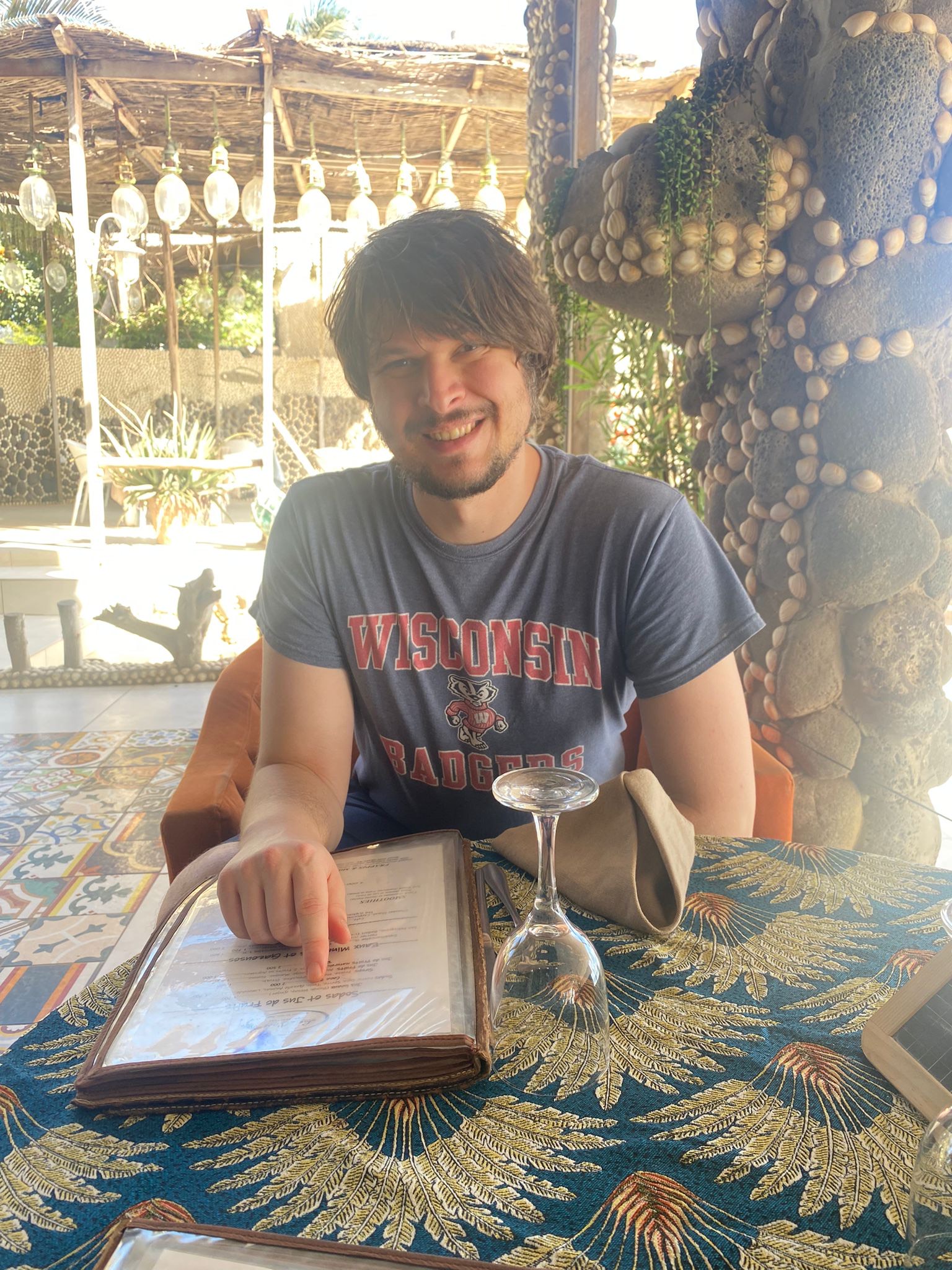
In my second year of my PhD in social psychology at the University of Wisconsin-Madison, where I was studying how to reduce discrimination and increase diversity, I received an unusual paper in my inbox.
The paper wasn’t unusual for its methods, which were basically indistinguishable from any other study I was reading in my coursework. Nor was the author, Darryl Bem, unusual, as he is someone read about with admiration in several textbooks for his clever and provocative interpretation of social psychology’s proudest discovery, cognitive dissonance. Nor was the journal unusual, since it was the most read, discussed, and admired scientific journal in my field, the Journal of Personality and Social Psychology. No, the paper was unusual for its outrageous claim: people can feel what is going to happen in the future.
What. The. Actual. F*ck.
The publication of this paper kicked off a crisis for my intended field of study, social psychology. Either everything we knew about physics is wrong, or everything about how we were doing social psychology was wrong (spoiler: it was the latter). It also kicked off a crisis for me, as I was in the process of dedicating 5+ years of my life to learning about how to use social psychology to make the world a better and more fair place. Bem’s paper sent me on a journey that took me on a two-year stint as an Assistant Professor at the University of Arkansas, to a Research Scientist position at l’Université Grenoble Alpes, to my current position at Busara, a non-profit dedicated to using behavioral science in service of alleviating poverty.
Along the way, I engaged deeply with psychology’s burgeoning “credibility revolution”, a series of initiatives all aimed at fixing the problems the crisis has revealed in both social psychology and the behavioral sciences at large. I also engaged with a movement called “meta-research“, or research focused on understanding and improving the research process itself. At the end of this period of searching, I had learned much about how to do behavioral science in a way that was better and more robust than what was standard when I started my PhD. I wanted to use these lessons to achieve the goal I had in mind when I first laid eyes on Bem’s fateful paper: contribute to knowledge of how to do good in the world.
I view my role at Busara as directly focused on this goal. Earlier in my tenure at Busara, I built a team focused on improving the way behavioral science research works in development. That team has now fused with Busara’s Technical Vertical to form a Methods and Practices Team with a dual focus on innovation and implementation. This team aims to set, safeguard, and maintain high standards in the methods and practices of behavioral science in development, both for the organization and the sector at large.
I hope that, at Busara and elsewhere, I can synthesize my experiences and learnings to ensure that behavioral science meets the standards of rigor, usefulness, and fairness necessary to produce real, enduring, and lasting benefits for everyone.



 Patrick S. Forscher